
 11
11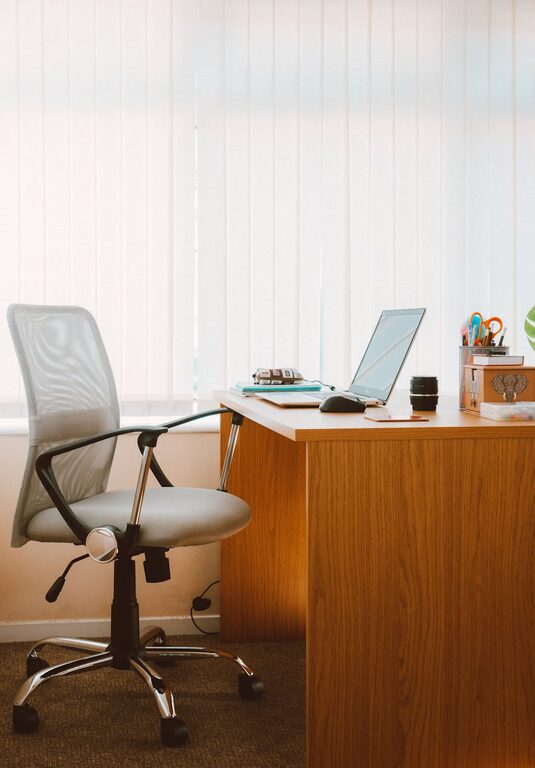
Creating a home office that is both productive and enjoyable is essential for anyone working remotely or spending extended hours at home. A well-designed workspace can boost focus, increase motivation, and enhance comfort, making your workdays more efficient and pleasant. Here are some useful tips to help you set up a home office that meets your needs.
Begin by selecting a quiet area in your home where you can work with minimal distractions. This could be a spare room, a corner in the living room, or a nook near a window. The key is to ensure you have a space that feels separate from daily household activities.
Natural light can improve your mood and energy levels. Position your desk near a window if possible, but avoid glare on your computer screen. If natural light is limited, invest in good quality lighting that mimics daylight.
Your desk and chair are the foundation of your home office. Choose a desk with enough surface area for your computer, notes, and any other tools you use regularly. An ergonomic chair with adjustable height and back support will keep you comfortable during long hours.
Consider accessories like monitor stands, keyboard trays, or footrests. These can improve posture and reduce strain, which is important for maintaining focus and preventing fatigue.
A tidy workspace promotes clear thinking and reduces stress. Take a few minutes at the start and end of each day to put away unnecessary items and organize your materials.
Use shelves, drawers, or filing cabinets to keep documents and supplies organized and out of the way. Labeling storage containers helps you find what you need quickly.
Personal touches like artwork, plants, or motivational quotes can make your office feel welcoming and inspiring. Plants, in particular, improve air quality and can boost your mood.
Arrange items such as pens, notebooks, or chargers close to your desk to avoid interruptions in your workflow.
Since much remote work relies on the internet, make sure your connection is fast and stable. Consider upgrading your router or using a wired connection if necessary.
Untangle and secure cords with cable organizers to keep your desk neat and prevent accidents. Also, keep your devices charged and within easy reach.
Establishing a consistent schedule helps create a boundary between work time and personal time. This separation can make working from home more manageable and reduce burnout.
Communicate with family members or housemates about your work schedule and the importance of minimizing interruptions during those times.
Sitting for long periods can be tiring and unhealthy. Take short breaks every hour to stretch or walk around, which can refresh your mind and body.
Ensure your workspace is neither too hot nor too cold and that it has good airflow. A comfortable environment supports longer and more focused work sessions.
Apps or planners can help organize your daily tasks and priorities. Keeping a to-do list can provide a clear path for the day and a sense of accomplishment as you check off items.
Turn off unnecessary notifications on your phone or computer, and consider apps that block distracting websites while working.
Designing a productive and enjoyable home office is a personal process that balances comfort, functionality, and inspiration. By choosing the right location, investing in supportive furniture, organizing your space, and managing your work habits, you can create an environment that supports success and well-being. Start with small changes, and adapt your workspace as you discover what works best for your needs. Happy working!